 (1).png)

Summary
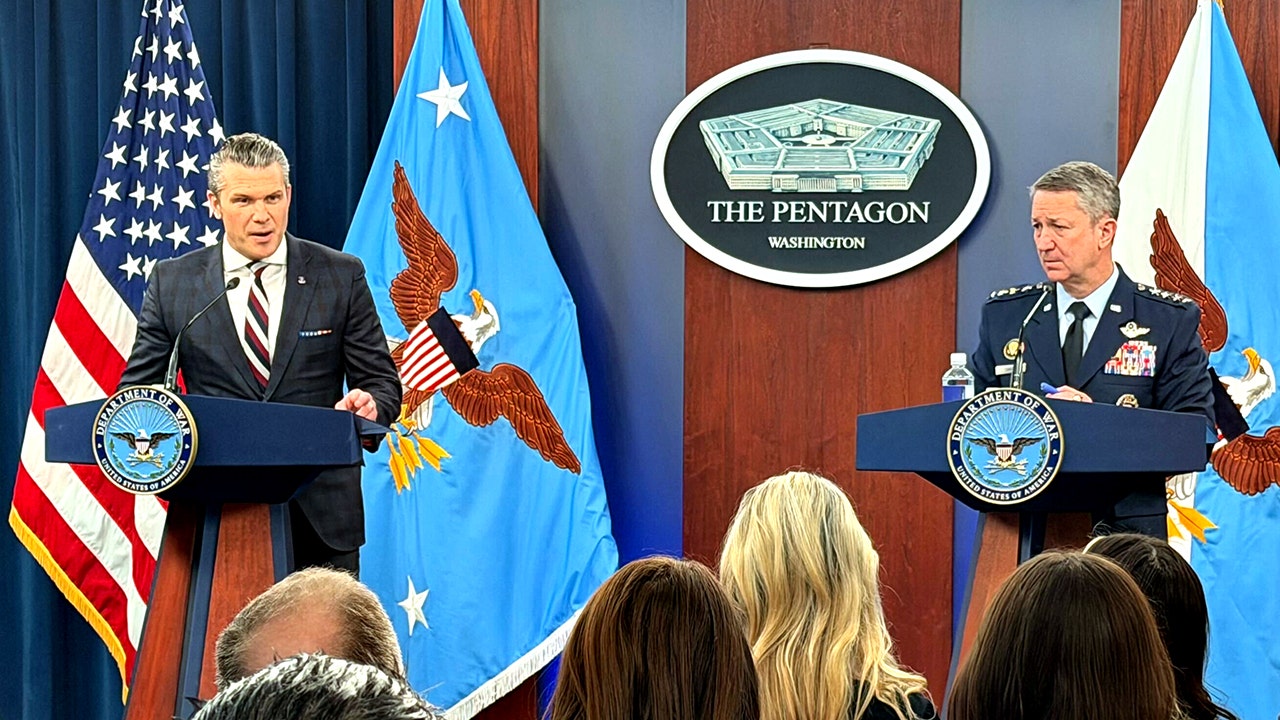
A United States Navy submarine has sunk an Iranian warship using a torpedo. This event marks a major moment in military history, as it is the first time a US submarine has destroyed an enemy vessel since the end of World War II. War Secretary Pete Hegseth confirmed the strike, which highlights a significant increase in military action between the two nations. The incident has raised concerns about safety and security in international waters.
Main Impact
The sinking of the Iranian warship is a massive shift in how the United States uses its naval power. For more than 80 years, the US submarine fleet has focused on gathering information, tracking other ships, and carrying missiles for land targets. By using a torpedo to sink a ship in active combat, the US has shown that its "silent service" is ready for direct battle. This move will likely change how other countries view the risks of moving their own warships near US forces. It also signals that the rules of engagement at sea may be becoming more aggressive.
Key Details
What Happened
The strike took place following a period of growing tension in the region. According to official reports, a US submarine identified the Iranian warship as a threat and received orders to engage. The submarine fired a heavy torpedo that hit the target, causing the Iranian vessel to sink. While the exact location of the strike was not immediately made public, the event has been verified by the highest levels of the Pentagon. This is the first time such an action has occurred since the mid-1940s, making it a rare and serious use of force.
Important Numbers and Facts
The announcement was made on March 4, 2026, by War Secretary Pete Hegseth. Before this event, the last time a US submarine sank an enemy ship was during the final stages of World War II in 1945. For eight decades, US submarines have operated without firing a torpedo in anger against a surface ship. The Iranian vessel involved was a warship, though the specific class and name of the ship are still being reviewed by military analysts. No American casualties were reported during the operation.
Background and Context
The relationship between the United States and Iran has been tense for many years. Most of the recent conflicts have involved drones, small speedboats, or cyber attacks. However, the use of a submarine adds a new level of danger to the situation. Submarines are designed to be hidden and hard to find. When they attack, it is often a surprise. In the past, the US has used its ships and planes to show strength, but keeping a submarine active in this way is a much stronger message. This event happens at a time when many countries are worried about the safety of trade routes and the flow of oil through narrow sea passages.
Public or Industry Reaction
Military experts are calling this a historic and "game-changing" event. Many are surprised that the US chose to use a submarine for this task instead of an aircraft or a surface ship. Within the United States, some political leaders are asking for more details about what led to the decision to fire. Internationally, there is a mix of support and worry. Allies of the US may see this as a sign of strong leadership, while other nations fear it could lead to a much larger war. The shipping industry is also on high alert, as any fighting in major sea lanes can cause insurance prices to go up and delay the delivery of goods around the world.
What This Means Going Forward
This event will likely lead to a period of high alert for navies across the globe. Iran may look for ways to respond, which could include using its own submarines or land-based missiles. The US Navy will probably increase its presence in the area to protect other ships from retaliation. We may also see a change in how submarines are used in future conflicts. Instead of just staying in the background, they may take a more active role in keeping sea lanes open. Diplomats will be working hard to prevent this single event from turning into a full-scale war between the two countries.
Final Take
The sinking of an Iranian warship by a US submarine is a historic break from decades of naval tradition. It proves that the US is willing to use its most hidden and powerful weapons when it feels threatened. While this action shows military strength, it also brings the world into a more dangerous era of sea combat. The long period of peace for the US submarine fleet has ended, and the future of maritime security is now more uncertain than it has been in a long time.
Frequently Asked Questions
When was the last time a US submarine sank an enemy ship?
The last time this happened was during World War II, which ended in 1945. This recent strike is the first of its kind in over 80 years.
Who confirmed the news of the sinking?
The news was officially announced by War Secretary Pete Hegseth on March 4, 2026.
What weapon was used to sink the Iranian warship?
The US submarine used a torpedo to strike and sink the vessel. This is a weapon specifically designed for underwater attacks against other ships.