 (1).png)

Summary
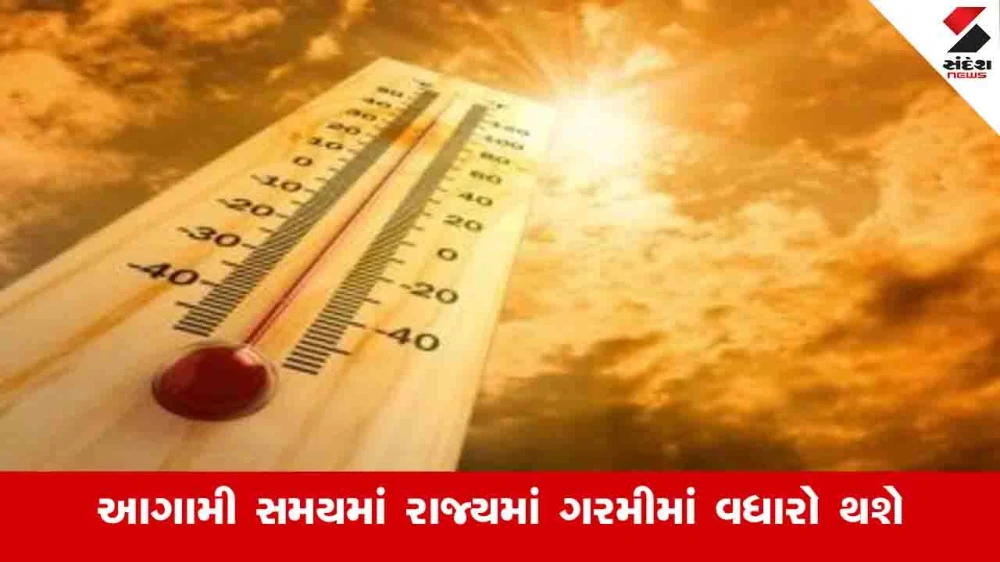
The weather in Gujarat is starting to get much warmer as the summer season approaches. The local weather department has predicted that temperatures across the state will rise by one to two degrees in the coming days. This change is caused by shifting wind patterns and a dry atmosphere that is settling over the region. Residents in coastal areas should prepare for increased humidity and a sticky, uncomfortable feeling in the air. This sudden rise in heat marks a significant shift in the daily environment for millions of people living in the state.
Main Impact
The primary impact of this weather shift is a noticeable increase in daily discomfort for the public. As the mercury climbs, the heat is becoming more intense, especially during the afternoon hours. In coastal cities, the combination of high temperatures and moisture from the sea is creating a "stuffy" atmosphere. This makes the heat feel even more oppressive than the actual temperature suggests. For those working outdoors or traveling, the rising heat poses a challenge to staying cool and hydrated. The change is also a signal for farmers and the energy sector to prepare for the typical high demands of a Gujarati summer.
Key Details
What Happened
Over the last 24 hours, several parts of Gujarat have seen a sharp jump in temperature. The weather department, led by scientist Pradeep Sharma, confirmed that north-western winds are currently blowing across the state. These winds are bringing warmer air into the region. Additionally, a weather system known as an upper cyclonic circulation has become active. This system is keeping the air dry and preventing any cooling clouds or rain from forming. As a result, the sun is hitting the ground directly, causing the ground and the air to heat up quickly.
Important Numbers and Facts
The data from the latest weather reports shows that heat is spreading across almost every major district. Rajkot has recorded the highest temperature in the state so far, reaching 39.2 degrees Celsius. This is very close to the 40-degree mark, which usually signals the start of extreme summer heat. Other cities are not far behind. Ahmedabad, Deesa, Gandhinagar, Amreli, and Vadodara all recorded temperatures of 38 degrees Celsius. In coastal and southern areas like Surat, Surendranagar, Mahuva, and Keshod, the temperature reached 37 degrees Celsius. Meanwhile, Bhuj, Bhavnagar, and Veraval saw the mercury hit 36 degrees Celsius. These numbers show that the heat is not limited to just one area but is a statewide trend.
Background and Context
In Gujarat, the month of March usually acts as a bridge between the pleasant winter and the scorching summer. During this time, the direction of the wind often changes. Instead of cool winds coming from the north, the state starts receiving warmer air from the west and north-west. The mention of an "upper cyclonic circulation" might sound complicated, but it simply refers to a swirling movement of air high in the sky. When this happens in a certain way, it can trap heat near the surface and stop clouds from growing. This leads to the clear, blue, and very hot skies that Gujarat is currently experiencing. Understanding these patterns helps the government and health officials issue warnings to the public before the heat becomes dangerous.
Public or Industry Reaction
While there has been no official emergency heat warning yet, the public is already noticing the change. People are starting to adjust their daily routines, often choosing to finish their outdoor chores early in the morning or late in the evening. In local markets, there is an increased demand for cold drinks, umbrellas, and cotton clothing. Health experts are beginning to remind citizens to drink plenty of water to avoid dehydration. The agricultural sector is also watching these changes closely, as sudden heat can affect the ripening process of certain winter crops that are still in the fields.
What This Means Going Forward
The forecast for the next seven days suggests that the weather will remain dry across Gujarat. There is no sign of rain that could provide relief. On March 6, the weather department expects particularly hot winds to blow, which could make the heat feel even more intense. The regions of Kutch and North Gujarat are expected to see the highest increases in the coming week. As the wind direction continues to shift, the mercury is likely to stay high or even climb further. People should prepare for a long stretch of sunny and hot days. It is expected that more cities will soon cross the 40-degree Celsius mark as the month progresses.
Final Take
Gujarat is moving quickly into the summer season, with temperatures already reaching high levels in early March. The rise in heat in cities like Rajkot and Ahmedabad serves as a reminder to stay prepared for the changing climate. With dry winds and high humidity in coastal areas, the next few days will require extra care for health and safety. Staying informed about these weather updates is the best way to manage the coming heat safely.
Frequently Asked Questions
Which city in Gujarat is currently the hottest?
Rajkot is currently the hottest city in the state, with temperatures recently recorded at 39.2 degrees Celsius.
Why is the weather feeling so stuffy in coastal areas?
Coastal areas are experiencing high humidity along with rising temperatures. This combination prevents sweat from evaporating quickly, making the air feel heavy and uncomfortable.
Will there be any rain to cool down the temperature soon?
No, the weather department has predicted that the atmosphere will remain dry for at least the next seven days, with no signs of rainfall.