 (1).png)

Summary
Major technology companies have agreed to a new plan to build their own power plants for data centers. This move is intended to protect everyday consumers from rising electricity costs caused by the massive energy needs of artificial intelligence. By creating their own energy sources, these companies hope to avoid putting extra pressure on the public power grid. This agreement comes as a direct response to concerns that the AI boom could make utility bills more expensive for regular families.
Main Impact
The primary impact of this decision is a shift in how the world’s largest companies interact with public infrastructure. Instead of simply buying electricity from local utility companies, tech giants will now become energy producers themselves. This change is meant to ensure that the rapid growth of AI does not lead to a shortage of power or higher prices for the general public. If successful, this plan could change how large industrial projects are powered across the United States.
Key Details
What Happened
On Wednesday, a group of high-level executives from the world's most powerful tech firms met at the White House. Leaders from Amazon, Google, Meta, Microsoft, xAI, Oracle, and OpenAI gathered to sign a formal pledge. This document states that these companies will work to supply their own power for new data centers. The goal is to stop these massive facilities from relying on the same power lines that provide electricity to homes and small businesses.
Important Numbers and Facts
The agreement involves seven of the biggest names in the tech industry. These companies are responsible for the vast majority of AI development globally. President Donald Trump highlighted this initiative during his recent State of the Union speech, where he promised that energy demand from AI would not cause prices to go up for American consumers. The pledge is a central part of the government's strategy to balance technological growth with affordable living costs.
Background and Context
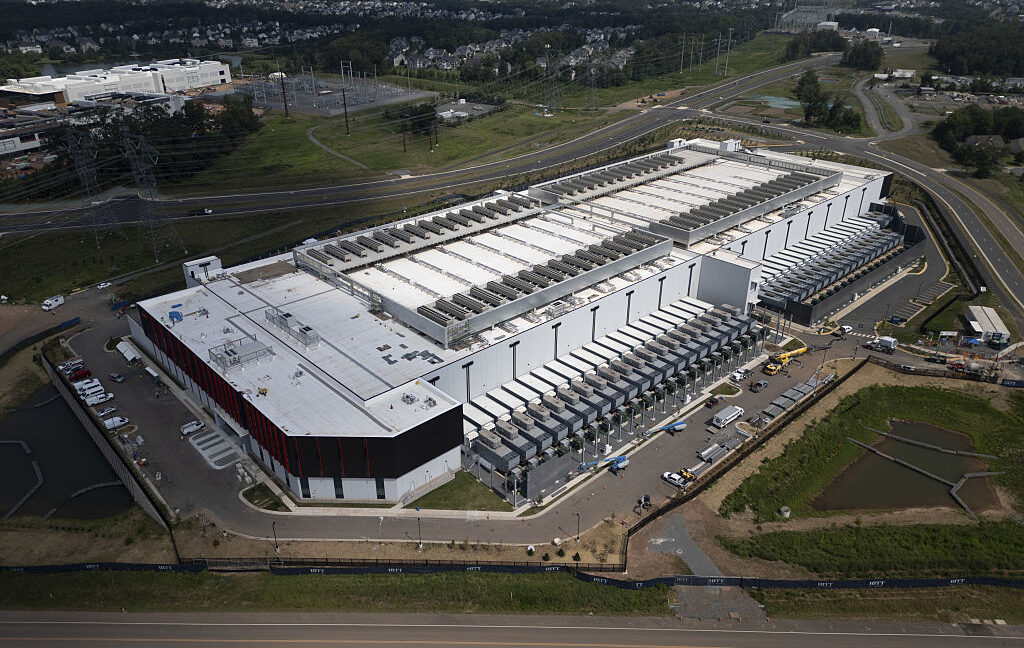
Artificial intelligence requires an incredible amount of computing power. To run AI programs, companies build massive buildings called data centers that are filled with thousands of computers. These computers run 24 hours a day and generate a lot of heat, which means they also need large cooling systems. All of this requires a huge amount of electricity.
In the past, when a new factory or large building was constructed, it would simply connect to the local power grid. However, the scale of AI data centers is so large that they can use as much electricity as a small city. If too many of these centers connect to the public grid at once, the high demand can cause prices to rise for everyone else. In some areas, there are even worries about power outages if the grid cannot keep up with the demand.
Public or Industry Reaction
The reaction to this plan has been a mix of hope and caution. Many people are pleased to hear that their electricity bills might stay stable. Consumer groups have long worried that tech companies were getting a "free ride" by using public resources that were not built for such high demand. The government's support for this plan shows a strong desire to keep the economy stable while still allowing the US to lead in AI technology.
However, industry experts point out that building power plants is not easy. It takes years to get the right permits, find land, and finish construction. Some critics wonder if these companies can build their own power sources fast enough to keep up with their own growth. There are also questions about what kind of energy they will use, such as nuclear, solar, or natural gas, and how that will affect the environment.
What This Means Going Forward
Going forward, the tech industry will face a massive construction challenge. These companies are no longer just software and hardware experts; they must now become experts in energy production and heavy infrastructure. We may see tech companies investing heavily in new types of energy, like small nuclear reactors or massive battery storage systems.
The success of this plan depends on how quickly the government can approve these new private power projects. If the process takes too long, tech companies might still be forced to use the public grid, which could lead to the very price hikes they are trying to avoid. The next few years will be a test of whether private companies can truly handle their own massive energy needs without relying on public systems.
Final Take
This agreement marks a major turning point in the relationship between Big Tech and the public. By promising to build their own power plants, these companies are taking responsibility for the massive resources they consume. While the plan sounds good for consumers, the real challenge lies in the difficult work of building new energy infrastructure from the ground up. Only time will tell if these tech giants can deliver on their promise to keep the lights on and the prices down for everyone else.
Frequently Asked Questions
Why do AI data centers use so much power?
AI data centers use a lot of power because they house thousands of powerful computers that run constantly. These computers need electricity to process data and even more electricity to run the cooling systems that keep them from overheating.
Will my electricity bill still go up?
The goal of this new pledge is to prevent your bill from going up due to AI demand. By building their own power plants, tech companies aim to stay off the public grid, which should help keep prices stable for regular households.
What kind of power plants will the tech companies build?
The companies have not specified exactly what kind of plants they will build, but many are looking at a mix of options. This could include solar farms, wind turbines, natural gas plants, or even small, modern nuclear reactors.