 (1).png)

Summary
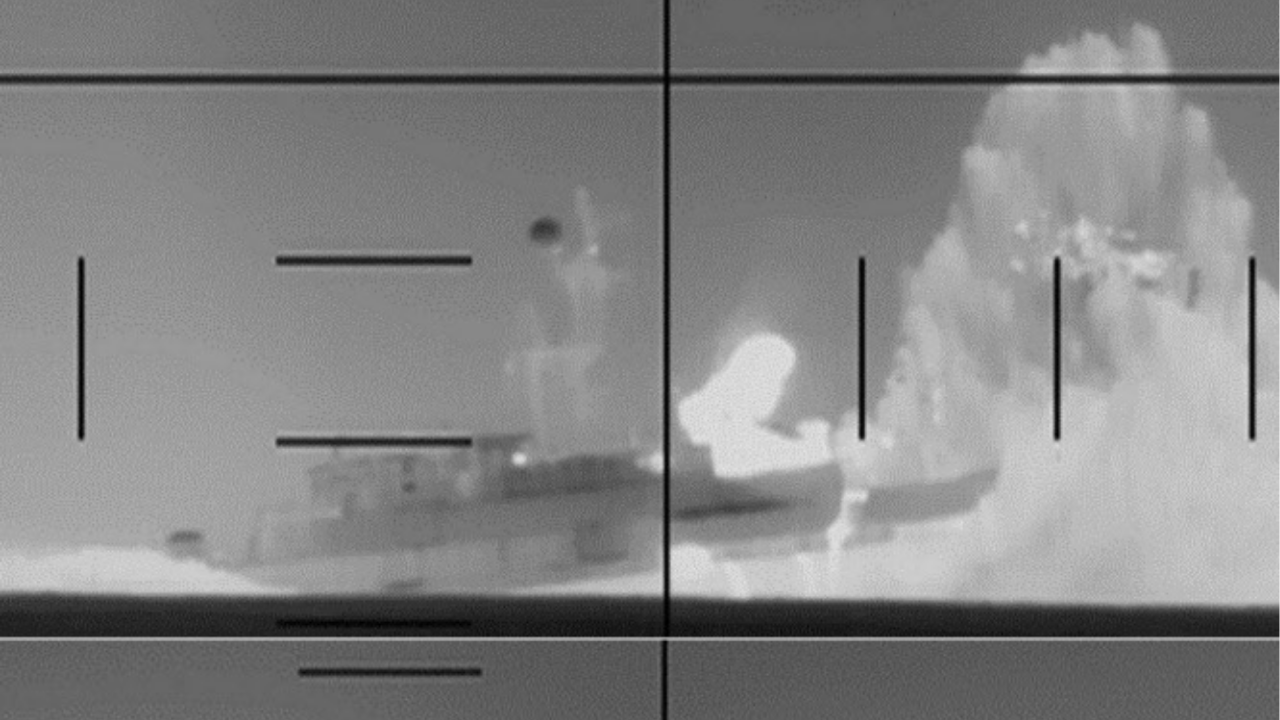
Iran has issued a very serious warning to the United States following the sinking of its naval ship, the IRIS Dena. The vessel was in the region as an invited guest of the Indian Navy when it was reportedly hit by a torpedo. This event has caused a major diplomatic crisis and has significantly increased the risk of military conflict in the Indian Ocean. Iran’s leaders have stated that the U.S. will face severe consequences for the loss of the ship.
Main Impact
The sinking of the IRIS Dena is a major blow to Iran’s military pride and its naval strength. Because the ship was visiting India at the time, the incident also creates a difficult situation for the Indian government. This event has caused immediate fear in the global shipping industry, as many worry that Iran might retaliate by attacking commercial ships or oil tankers in busy sea lanes. The threat of a "bitter regret" from Tehran suggests that a military response could be coming soon.
Key Details
What Happened
The IRIS Dena was a modern Iranian warship that was traveling in the North Arabian Sea. It was part of a group of ships invited by the Indian Navy for a friendly visit and joint maritime activities. According to reports from Tehran, the ship was targeted and struck by a torpedo, causing it to sink. Iranian officials have blamed the United States military for the attack, claiming it was a planned move to weaken Iran’s presence in international waters. The U.S. has not provided a full public account of the event, but tensions between the two nations have been at an all-time high.
Important Numbers and Facts
The IRIS Dena was a Mowj-class frigate, which is one of the most advanced types of ships built by Iran. It was officially added to the Iranian Navy in June 2021. The ship was about 95 meters long and weighed around 1,500 tons. It was equipped with various weapons, including anti-ship missiles, cannons, and torpedoes. The incident occurred on March 4, 2026. While the exact number of people on board has not been fully released, such ships usually carry a crew of about 120 to 140 sailors. The loss of this vessel represents a significant financial and military loss for the Iranian government.
Background and Context
For several years, Iran has been trying to show that its navy can operate far away from its own coast. Building the IRIS Dena was a big part of this plan. By sending the ship to India, Iran wanted to show that it has friends in the region and that it is a major power in the Indian Ocean. The United States, however, often views Iranian naval movements as a threat to global trade and the safety of other ships. The U.S. Navy maintains a large number of ships and submarines in the same area to monitor these activities. This overlap of military forces often leads to close encounters and dangerous standoffs.
Public or Industry Reaction
The reaction from Iran has been one of extreme anger. Military commanders in Tehran have appeared on national television to promise that they will strike back. They used the phrase "bitterly regret" to describe what the U.S. will experience in the future. In India, the government has expressed deep concern over the incident. Since the IRIS Dena was their guest, the Indian Navy is now under pressure to explain how such an attack could happen so close to its shores. International experts are worried that this could lead to a "tit-for-tat" cycle of violence where both sides keep attacking each other’s ships, making the ocean unsafe for everyone.
What This Means Going Forward
In the coming weeks, we can expect to see more military activity in the Indian Ocean and the Persian Gulf. Iran may increase its patrols or use its fast boats to harass other vessels as a form of protest. The United States will likely keep its ships on high alert to prevent any revenge attacks. For India, this event might lead to a change in how it hosts foreign navies. They may become more cautious about inviting ships from countries that are in active conflict with the U.S. to avoid being pulled into a war. Diplomats from around the world are now trying to talk to both sides to prevent the situation from getting even worse.
Final Take
The sinking of the IRIS Dena is more than just the loss of a single ship; it is a sign of how dangerous the rivalry between the U.S. and Iran has become. With Iran promising a strong response, the safety of the world's most important shipping routes is now at risk. The international community must act quickly to lower the tension before this local incident turns into a much larger global conflict.
Frequently Asked Questions
What was the IRIS Dena?
The IRIS Dena was a modern Iranian Mowj-class frigate. It was built in Iran and was used for naval warfare, including defending against other ships and aircraft.
Why was the ship near India?
The ship was in the region as an official guest of the Indian Navy. It was participating in maritime cooperation activities to build better relations between Iran and India.
How did Iran react to the sinking?
Iran blamed the United States for the attack and warned that the U.S. would "bitterly regret" the action. They have promised to take revenge for the loss of the ship and its crew.